Shortlist of Wedding
Hand-picked across the United Kingdom and Europe — manor houses, châteaux, castles, lakefront villas, vineyards and converted warehouses. Every card surfaces an honest price band, plus the venue’s city at scan speed. No paid placement, no subscription — curation only.
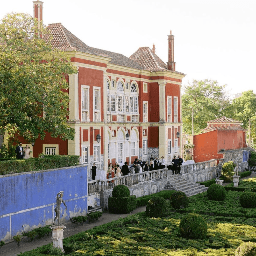
Fundação das Casas de Fronteira e Alorna
Occupying a 17th-century palatial manor in Lisbon's Calçada de Tojal, this venue preserves two centuries of Portuguese aristocratic gardens alongside the principal stone residence, with guest capacity of 75–140 persons…
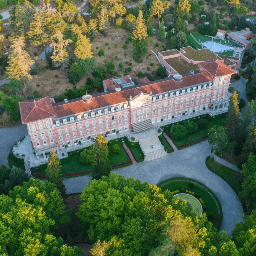
Hotel Vidago Palace
Perched on the Douro River valley's northern slope near Vidago, this belle-époque thermal resort retains its original 1910 casino and spa pavilion, now reconfigured for ceremonies and receptions within manicured grounds…
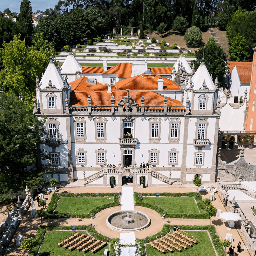
Pestana Palácio do Freixo
Built as a 17th-century royal hunting lodge on the Douro's western bank, this Baroque stone manor stands among mature woodland gardens accessible by private funicular from the river. The estate accommodates 80–180…
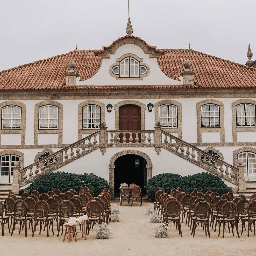
Casa de Vila Verde Events
A traditional Douro quintal—working wine estate—converted for events near Vila Real, this venue seats 50–120 guests within the original stone adega and converted barrel-aging chambers, retaining vintage winemaking…
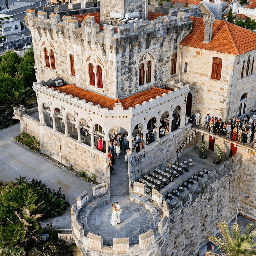
Forte da Cruz
Rising from a rocky promontory north of Cascais, this 18th-century coastal fortress accommodates 70–150 guests within converted gun emplacements and officers' quarters, with ceremony conducted within the fort's central…
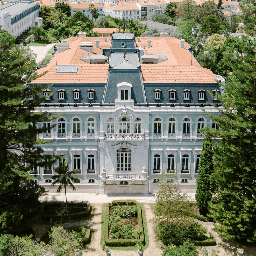
Pestana Palace Hotel
Occupying a converted 1920s royal palace in Ajuda, West Lisbon, this venue spans multiple interconnected suites arranged around a restored manicured garden and reflecting pool, accommodating 100–200 guests. The property…
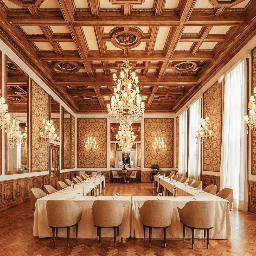
Hospes Infante Sagres
Housed within a Beaux-Arts townhouse directly overlooking Porto's Ribeira waterfront and Dom Luis bridge, this intimate hotel venue seats 40–80 guests across a single high-ceilinged reception room with original hardwood…

Casa Felix
Casa Felix sits within Barcelona's sprawling metropolitan region, where Mediterranean architecture and Catalan design traditions inform the venue's aesthetic for guests seeking coastal proximity without literal seaside…
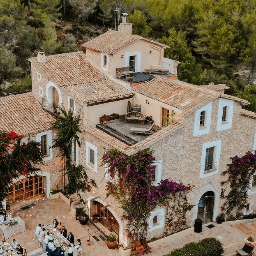
Almiral de la Font
Almiral de la Font indicates a property tied to Barcelona's nautical heritage, the 'Almiral' (Admiral) title suggesting historical significance or architectural gravitas for celebrations of varying scale. Catalan…
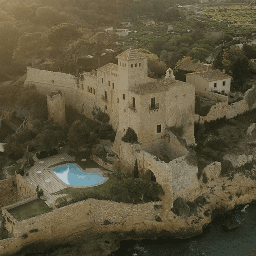
Castell de Tamarit
Castell de Tamarit references a fortified tower or fortress structure, likely indicating medieval or early-modern architecture preserved and adapted for contemporary events for 50 to several hundred guests. Catalan…
Cortal Gran
Cortal Gran references a large Catalan farmstead or rural compound, signaling agricultural heritage and working landscape aesthetic for celebrations of 50 to 300+ guests. The 'Cortal' building type—traditional rural…
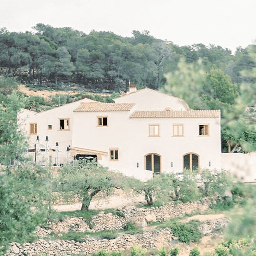
Masia Cabellut
Masia Cabellut references the traditional Catalan 'masia' farmhouse type, typically a fortified rural dwelling with multiple outbuildings and surrounding agricultural land for celebrations of 50 to 250+ guests. The…
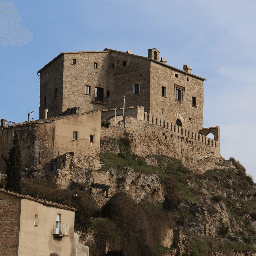
Castell d'Enfesta
Castell d'Enfesta indicates another castle or fortified structure within Catalan landscape, likely perched on elevated terrain for defensive positioning and visual drama for 50 to 300+ guests. Elevation positioning…
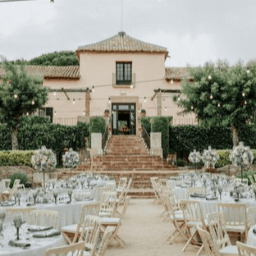
La Torre dels Lleons
La Torre dels Lleons (Tower of the Lions) likely references a historical watchtower or fortified structure, the lion heraldry suggesting previous noble or municipal ownership for celebrations of 50 to 250+ guests.…

El Convent de Blanes
El Convent de Blanes references a former monastic community, likely indicating preserved cloister, chapel, or outbuildings adapted for secular celebration for 50 to 300+ guests. Catalan monastic architecture—austere…
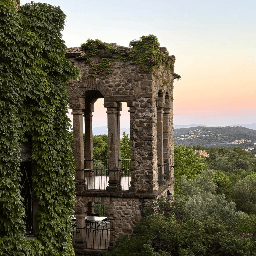
La Baronia
La Baronia references a feudal administrative domain, suggesting a historic property with territorial significance and potentially noble heritage for celebrations of 50 to 300+ guests. The baronial naming implies…
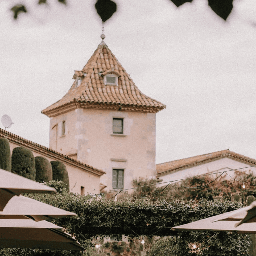
Can Ribas de Montbu
Can Ribas de Montbu uses the Catalan 'Can' prefix (indicating a place belonging to a family), suggesting family-owned rural property with historical roots for celebrations of 50 to 200+ guests. The Montbu designation…
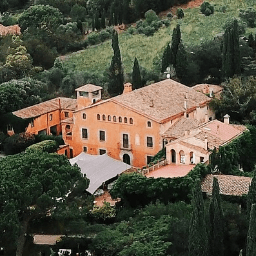
Masia Egara
Masia Egara references another traditional Catalan farmstead, likely with centuries of occupation and working agricultural heritage for celebrations of 50 to 250+ guests. The masia building type—rural defensive dwelling…
Torre del Veguer
Torre del Veguer (Tower of the Steward) suggests a fortified administrative structure, likely from feudal or early-modern period, indicating historical governance role and defensible positioning for celebrations of 50…
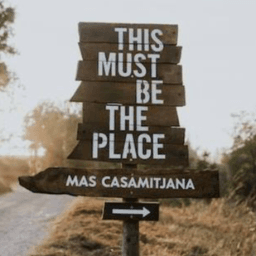
This Must Be The Place
This Must Be The Place employs contemporary naming convention, suggesting a venue consciously positioning itself as destination and emotional anchor for celebrations of 50 to 250+ guests. The statement-title approach…
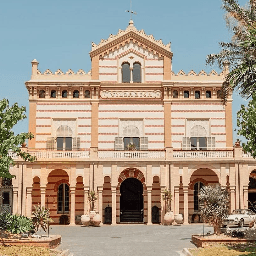
Gran Villa Rosa
Gran Villa Rosa (Large Pink Villa) signals design intentionality through color naming, suggesting Mediterranean villa aesthetic or rose-garden landscape positioning for celebrations of 50 to 300+ guests. Villa…

La Finka 4.1
La Finka 4.1 employs contemporary numbering convention, suggesting either renovation with version designation or estate subdivision for celebrations of varying scale. 'Finka' (from Spanish 'finca,' rural property)…
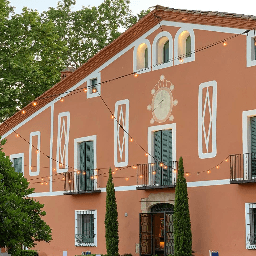
Masia Rosàs
Masia Rosàs references a Catalan farmstead, likely with generations of family operation and agricultural heritage visible through working landscape or preserved production infrastructure for celebrations of 50 to 250+…
Bell Recó
Bell Recó (Beautiful Refuge) employs romantic naming suggesting secluded positioning and aesthetic intentionality for celebrations of 50 to 250+ guests. The refuge reference implies removal from everyday commotion;…